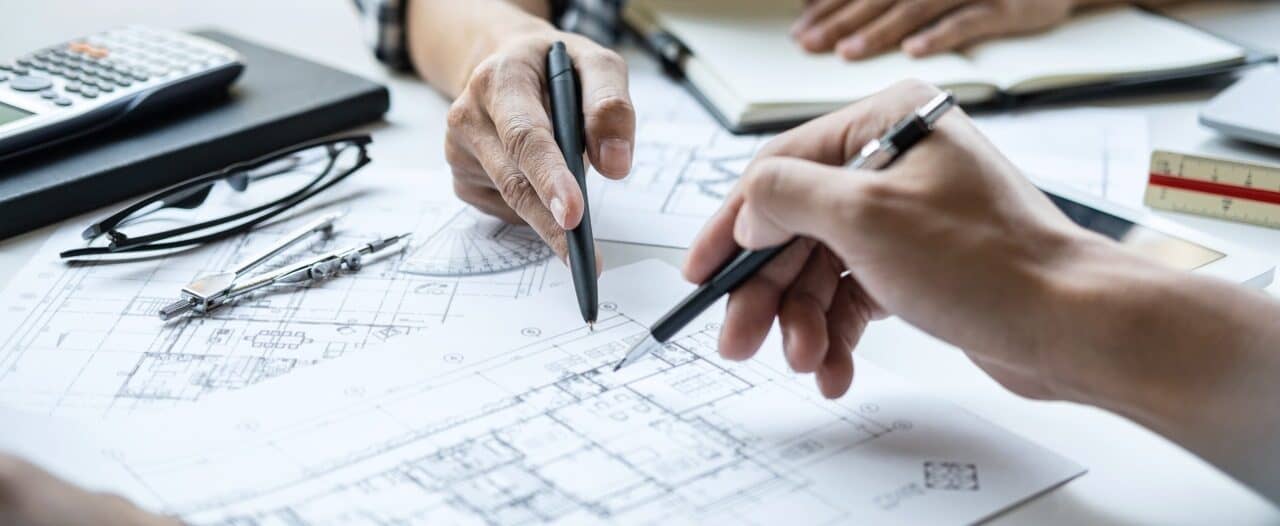
This article explores home conversions and what is involved in transforming a single home into two separate units.
11/03/2026By Pauzible Team · Editorial Team
For property investors looking to increase income without acquiring additional stock, converting a single dwelling into two self-contained units can be an attractive strategy. Turning a standard single let into a duplex or maisonette can unlock higher rental income, diversify tenancy risk and in some cases also increase overall capital value.
However, this type of house conversion is complex. It involves planning permission, building regulations approval, legal restructuring and significant construction work. This article explores what is involved in converting a single home into two units, the permissions required, likely costs and how investors should assess whether the potential rental uplift justifies the effort and risk.
What does converting a single let into a duplex involve?
A maisonette or duplex conversion involves splitting one residential dwelling into two separate self-contained homes. Each unit must have its own kitchen, bathroom, living space and bedroom(s). In most cases, each unit must also have a separate entrance and independent services.
From a planning perspective, this is generally considered a material change of use because the property moves from being one dwelling to becoming multiple dwellings. This triggers planning controls and building regulations that do not apply to standard refurbishments. As such, this is not simply a refurbishment project. It is a structural, legal and regulatory transformation of the asset.
Planning permission and local authority rules
Is planning permission required?
In most cases, house conversions require planning permission from the Local Planning Authority. This is because the use of the property changes from a single dwelling to multiple dwellings.
Some limited house conversions may fall under permitted development rights, but this is increasingly rare. Many councils tightly control flat conversions due to housing density, parking pressure and infrastructure concerns. Investors should assume planning permission is required unless the local authority confirms otherwise.
Article 4 directions
Many councils have introduced Article 4 Directions that remove permitted development rights in specific areas. These are common in conservation areas and high-demand urban locations.
If an Article 4 Direction applies, full planning permission is mandatory even if a maisonette or duplex conversion might otherwise qualify under permitted development rules. Investors should always check with the Local Planning Authority at the outset.
Listed buildings and conservation areas
If the property is listed or located within a conservation area, planning controls are usually much stricter. Internal alterations, external changes and even layout adjustments may require listed building consent. In such cases, early engagement with the Local Planning Authority is essential. Failure to obtain correct consent can result in enforcement action and costly remediation.
Design and layout considerations
The role of an architect or designer
Professional input is essential when converting a single dwelling into two units. Architects ensure layouts comply with space standards, fire safety requirements and planning policies while maximising rental appeal. Attempting to design a duplex conversion without professional input can lead to inefficient layouts, planning refusals or building standards failures.
Minimum space standards
Each unit must meet minimum internal space standards set by planning policy and building regulations. These include room sizes, ceiling heights, natural light and storage. Failure to meet these standards is a common reason for planning refusal. Investors should assess whether the existing property footprint can realistically support two compliant units before progressing.
Separate entrances
Where possible, each unit should have its own entrance. This is not always mandatory, but it significantly improves planning prospects and tenant appeal. Shared access arrangements can be acceptable but may attract greater scrutiny from planners and reduce rental desirability.
Fire safety and sound insulation
Fire safety is a critical consideration in multi-unit dwellings. Building regulations typically require fire-resistant construction between units, protected escape routes, fire doors and appropriate alarms. Sound insulation is also mandatory. Floors and walls separating units must also meet acoustic standards to minimise noise transfer. These requirements add cost and complexity but cannot be compromised.
Legal and ownership structure
Freehold and leasehold issues
If the property is freehold, the investor can usually proceed subject to planning and building regulations. If the property is leasehold, freeholder consent is required for major alterations. Many leases prohibit conversion into multiple dwellings entirely. Investors must review the lease carefully and obtain legal advice before proceeding.
Creating new leases
Once the house conversion is complete, each unit typically needs its own lease. This requires solicitor involvement to draft leases, define boundaries and register the changes with the Land Registry. Lease structures must comply with lender requirements if the units are to be mortgaged or sold individually in the future.
Land Registry updates
The Land Registry must be updated to reflect the new legal arrangement. This includes registering new titles or leasehold interests and amending the freehold title.
Building regulations and construction
Building regulations
All house conversion works must comply with building regulations and be signed off by building control. This includes structural alterations, fire safety, electrical systems, plumbing, insulation and ventilation. Completion certificates are required before the units can be legally occupied.
Utility separation
Each unit should have separate gas, electricity and water supplies. Installing individual meters is often required. Shared services can be problematic for tenant management and are often discouraged by lenders and managing agents.
Physical construction work
Typical works include:
Creating new internal walls
Installing additional kitchens and bathrooms
Upgrading heating systems
Improving soundproofing
Altering access and entrances
Installing new windows or doors
The extent of work depends on the existing layout and condition of the property.
Costing a duplex conversion
On average, converting a house into separate units can cost between £1,000 and £2,000 per square metre. Here are the different components that contribute to the total cost:
1. Professional fees
Before construction begins, investors should budget for:
Architect and designer fees
Planning application fees
Building control fees
Solicitor fees for lease creation and registration
2. Construction costs
Build costs vary significantly by region and property type. Full house conversions can cost a great deal once kitchens, bathrooms, heating systems, fire protection and sound insulation are included. Older properties and complex layouts can generate even higher costs.
3. Contingency planning
Unexpected issues are not uncommon in duplex conversion projects. Structural defects, asbestos or non-compliant existing work can increase costs. Investors should include a contingency budget of between 10 and 15% to manage unforeseen expenses.
Assessing rental uplift and understanding income potential
The primary motivation for duplex conversions is increased rental income. Two smaller units often command a higher combined rent than a single let. However, this is not guaranteed. Investors must assess local demand for smaller units and ensure rents justify the additional cost and management complexity. Rental income must be weighed up against:
Increased void risk across two units
Higher maintenance and management costs
More complex compliance obligations
Ultimately, a duplex may improve gross income but not necessarily net returns if costs escalate. Furthermore, in some markets, splitting a property into two units may increase overall capital value, but in others, particularly family housing markets, value may be diluted. Investors should research local comparables carefully before assuming capital uplift.
Timeframes and project management
Duplex conversions take time. Planning permission alone can take several months, and construction can extend the timeline further, particularly if delays occur. Investors should plan for a long project lifecycle and ensure they can fund mortgage and holding costs throughout the process.
When does this strategy make sense?
Turning a single let into a duplex may suit investors who:
Have sufficient capital reserves
Are comfortable managing complex projects
Operate in areas with strong demand for smaller units
Take a medium to long-term investment view
It is less suitable for investors seeking quicker returns or minimal involvement.
Conclusion
Converting a single let into a duplex or maisonette can unlock higher rental income and improve asset returns, but it is not a simple refurbishment. Planning permission, building regulations, legal restructuring and substantial construction work are involved.
For investors willing to undertake thorough due diligence and engage experienced professionals, this strategy can be rewarding. However, success depends on realistic cost assessment, careful planning, and a clear understanding of local rental demand and property valuations. As with any value-add strategy, the key is not whether the house conversion is possible, but whether it is financially worthwhile after accounting for time, cost and risk.
FAQs
Q. Do I always need planning permission to convert a house into two units?
A. In most cases, yes. Converting a single dwelling into multiple units is usually a material change of use requiring planning permission.
Q. Can permitted development apply to duplex conversions?
A. Occasionally, but many councils restrict this through planning policy or Article 4 Directions.
Q. How long does a duplex conversion take?
A. Projects often take several months or longer, depending on planning approval, construction complexity and professional involvement.
Q. Is building regulations approval required?
A. Yes. All works must comply with building regulations and be signed off by building control.
Q. Is fire safety a major issue in conversions?
A. Yes. Fire separation, alarms and escape routes are critical in multi-unit dwellings.
Q. How much does it cost to convert a house into two flats?
A. Costs vary widely, but investors should expect at least £1,000 to £2,000 per square metre.
Q. Can leasehold properties be converted?
A. It is possible, but only with freeholder consent, as leases usually restrict or prohibit such alterations.
Q. Will rental income always increase after conversion?
A. Not always. Income depends on local demand, unit size and management costs.
Q. Can I sell the units separately after conversion?
A. Potentially yes, but this requires proper legal structuring, leases and lender-compliant titles.
Q. Should I use professionals for this type of project?
A. Absolutely. Architects, solicitors, builders and planning consultants are essential for successful conversions.
The Pauzible Team consists of finance professionals and property market specialists dedicated to reinventing home ownership and BTL financing. With deep expertise across UK real estate and innovative financial products like Equity Partnership Agreements, we provide landlords and homeowners with the insights they need to unlock equity, navigate market volatility, and build sustainable wealth through property. Our mission is to make complex property finance simpler, quicker, and more accessible for everyone.
buying a house and taxeshow much interest tax freemortgage affordabilitymortgage valuation
Ready to see what Pauzible could unlock?
Explore how accessing equity from your BTL property could support your business investment plans.
No obligation. Just a clear view of what might be possible.