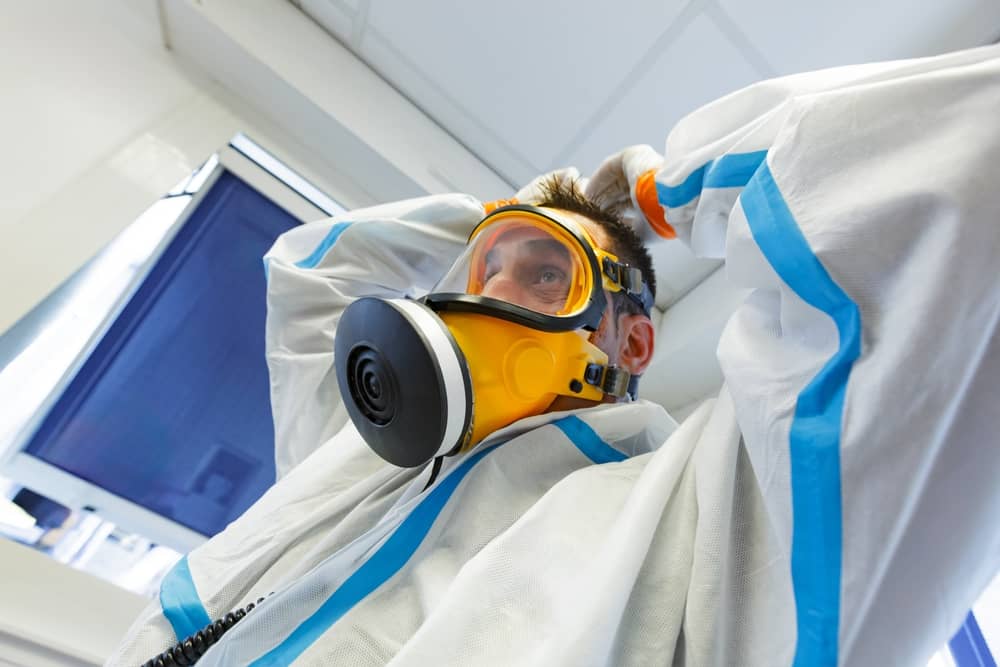
Asbestos Surveys Before Renovation: Protecting Your Home
This article explores what asbestos is, what an asbestos survey involves, which survey you may need before renovation and what to do if asbestos is found.
03/07/2026By Sunil Chander · Co-Founder
This article explores what asbestos is, what an asbestos survey involves, which survey you may need before renovation and what to do if asbestos is found.
Renovating your home can be exciting, but older properties can hide significant risks. One of the biggest is asbestos, which may still be found in homes built or refurbished before 2000.
Asbestos is dangerous when it is disturbed. Drilling, sanding, removing tiles or knocking down walls can release tiny fibres into the air, which can be harmful if inhaled. This is why an asbestos survey is an important step before any renovation begins.
What is Asbestos
Asbestos is a name for a group of natural minerals made of tiny fibres. These fibres are extremely strong and heat-resistant. This made asbestos popular as a building material for many decades. The risk comes from breathing in the fibres. When asbestos-containing materials are damaged or disturbed, fibres can be released into the air. Inhaling them can lead to serious diseases that often take a long time to develop. This is why it is so important to prevent exposure in the first place.
Asbestos Surveys Before Renovation | Pauzible
Why Renovation Work Raises the Risk
Many homeowners are surprised to learn that asbestos is not always dangerous if it is left alone. The main danger happens when asbestos-containing materials are damaged or disturbed. Renovation work often involves cutting, drilling, sanding or ripping out parts of a home, which can release asbestos fibres into the air.
Even small jobs can create a significant risk. Removing old floor tiles, pulling down ceilings, replacing insulation or drilling into walls can disturb hidden asbestos. Once fibres are released, they can spread and settle on surfaces throughout the property. This can put household members, builders and even neighbours at risk if the area is not controlled properly.
Where Asbestos can be found in Homes
Asbestos was used in many products. Some common examples include roof and garage sheets, soffits, wall panels, textured coatings, floor tiles, pipe insulation and old board materials.
The Health and Safety and Executive (HSE) provides guidance on typical locations and what action to take when asbestos may be present. A useful rule is that if your property was built or refurbished before 2000, assume asbestos could be present until you know otherwise.
What is an Asbestos Survey
An asbestos survey is an inspection conducted to identify asbestos-containing materials, assess their condition and record their locations. A survey normally includes a site visit, a methodical inspection and sampling where needed. The point of a survey is not only to spot asbestos but also to provide clear information so the right decision can be made before work starts.
For renovation planning, the biggest value is that the survey reduces guesswork. It helps you avoid disturbing materials. It also helps you plan safe removal where removal is necessary.
Types of Survey
Before arranging an asbestos survey, it is important to understand that not all surveys are the same. The type of survey you need depends on whether you are simply checking a property for safety or planning renovation work that will disturb walls, ceilings, floors or other building materials. HSE guidance describes two broad survey types.
Management Survey
A management survey is usually used to help manage asbestos during normal building occupancy. It is about finding materials that could be disturbed during everyday use, maintenance or minor work. This survey can be useful for homeowners who want a clearer picture of what is present. But it may not be enough for invasive renovation.
Refurbishment And Demolition Survey
A refurbishment and demolition survey is needed when a building or a part of it will be refurbished, structurally changed or demolished. It is designed to find asbestos in areas that will be affected by the work. This type of survey is more intrusive. It may involve opening structures, because asbestos can be hidden. If your renovation involves removing walls, replacing ceilings, changing floors, rewiring, new windows or major kitchen and bathroom work, this survey is often the correct choice.
Choosing A Surveyor
For home protection to be real, the survey must be reliable. A poor survey can miss asbestos and give false assurances.
Accreditation is one of the strongest checks you can use when choosing a provider. UKAS (United Kingdom Accreditation Service) explains the value of using a UKAS-accredited asbestos inspection provider.
Questions to ask when choosing a surveyor:
Are you UKAS-accredited for asbestos inspection work?
Which survey type do you recommend for my renovation?
Will the survey cover every area that the builders will disturb?
How will you minimise damage during inspection?
What will the report include and how quickly will I receive it?
If a provider will not discuss the survey's type, scope and reporting, that is a major red flag.
What to do if Asbestos is found
If asbestos is found during a survey, the first step is not to panic, because asbestos is only dangerous when it is damaged or disturbed. Your survey report will explain where the asbestos is located, its condition and whether it is likely to be affected by your renovation plans. In many cases, asbestos can be left in place if it is sealed and not at risk of being disturbed. If removal is needed, it should be carried out by a trained asbestos professional. Some types of asbestos work must be done by a licensed contractor. The most important thing is to stop any renovation work in the affected area until the correct safety steps have been taken.
Renovation Planning that Protects your Home
Once you have the results of an asbestos survey, you can plan your renovation more safely. The report will show where asbestos is located, its condition and whether it is likely to be disturbed during the work. This allows you to avoid risky areas where possible or arrange professional removal before the builders start. It also helps you set a realistic timeline and budget, especially if a specialist contractor is needed.
To protect your home properly, you should share the survey report with everyone involved in the renovation, including builders, electricians and plumbers. This ensures that they know which areas need extra care and what materials must not be disturbed. With clear information in place, the work is more likely to run smoothly, and the risk of asbestos exposure, unexpected delays or costly mistakes can be greatly reduced.
Health Concerns and Peace of Mind
If you think you may have been exposed to asbestos, stop work immediately and leave the area to prevent further disturbance. Avoid sweeping or vacuuming the space, as this can spread fibres. If possible, close doors and windows and keep people away from the affected area. You should contact a qualified asbestos professional to assess the situation and arrange safe cleaning or testing if needed. If you are worried about your health, it is sensible to speak to your GP, especially if you believe the exposure was significant or occurred over time.
Conclusion
Asbestos is still found in many homes built or refurbished before 2000. It is not always a danger when left undisturbed, but renovation work can release harmful fibres into the air through drilling, cutting, sanding or demolition. This is why arranging an asbestos survey before starting any renovation is one of the most important steps a homeowner can take.
A proper survey helps you understand which materials are present, where they are located and what actions are needed to keep everyone safe. It also reduces delays, unexpected costs and serious health risks. Whether asbestos is removed, sealed or safely managed, proper planning will help protect your home and ensure your renovation can proceed with confidence.
FAQ
Q. What is asbestos and why was it used in homes?
A. Asbestos is a group of minerals made of tiny fibres. It was used because it resists heat and adds strength to building materials. It was banned because inhaling the fibres can cause serious health issues.
Q. Is an asbestos survey worth paying for before renovation?
A. Yes, an asbestos survey is usually worth the cost because it can prevent serious health risks and expensive delays. Without a survey, asbestos may be disturbed during renovation, which can lead to work being stopped, specialist cleaning and high removal costs. A survey provides clear information to help you plan your renovation safely.
Q. Which asbestos survey do I need before renovation?
A. For major renovations, a refurbishment and demolition survey is often the right type because it is designed for work that disturbs the building fabric.
Q. Can I remove asbestos myself if it is a small amount?
A. HSE advise that you should not try to repair or remove asbestos materials yourself if you have not had training for asbestos work. Some work must only be done by licensed contractors.
Q. Can I still renovate my home if asbestos is found?
A. Yes, you can still renovate your home if asbestos is found, but the work must be planned carefully. In some cases, asbestos can be left in place if it will not be disturbed. If renovation work will affect the material, it may need to be sealed or removed by a qualified asbestos contractor before the project continues.
About the author
Sunil Chander
Co-Founder
Sunil oversees operations and compliance at Pauzible, drawing on his extensive experience as the founder and CEO of Dawnbud Limited, a financial services consulting firm. His prior career included senior roles in investment banking at Smith New Court and NatWest. He holds an MBA from LBS, M Litt from Oxford and a PhD from Cambridge.