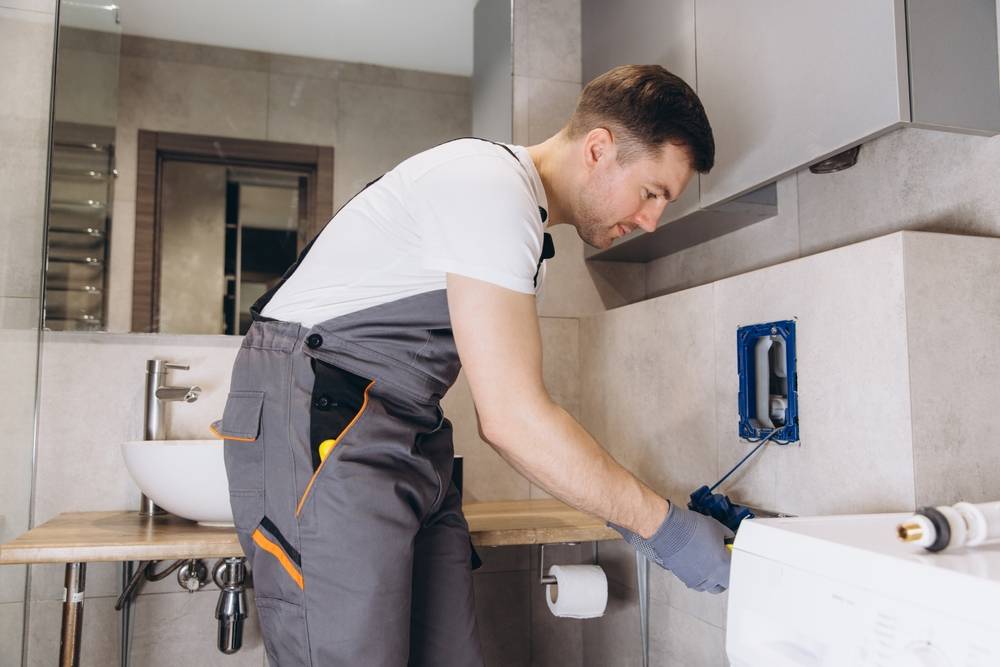
This article explores which rental bathroom upgrades tenants value the most, and what a bathroom refurbishment realistically costs landlords.
The bathroom is often the smallest room in most rental properties and one of the ones most likely to generate complaints. While tenants rarely ask for a designer suite, they do notice whether the shower runs hot and steadily, whether the bathroom dries out properly, and whether the surfaces clean easily. These elements are addressed through appropriate specification and ventilation. As a landlord, if you are thinking about bathroom upgrades, there are some things you should probably be considering first.
Why condition matters more than finish in a rental bathroom
Condition drives satisfaction far more than finish does. According to the English Housing Survey 2024-2025, nearly half of private renters report condensation, damp or mould in their home. Where damp is present, 32% of private renters are dissatisfied with their accommodation. A bathroom is responsible for generating a significant amount of moisture, along with the kitchen, making it one of the most consequential rooms in your rental property.
Six high-value bathroom upgrades for your rental property
The following six upgrades address the problems that frequently come up, and none require a luxury budget:
1. Ventilation that meets the required standard
An extractor fan is the primary defence against condensation, and the standard it must meet is set out by UK building regulations. A bathroom containing a bath or shower requires an intermittent extract rate of 15 litres per second, or 8 litres per second for a continuous system. The fan should sit no more than 400mm below the ceiling, and in a windowless room it must run for at least 15 minutes after use.
2. A shower that delivers reliable pressure and temperature
User friendliness can affect daily experience far more than any aesthetic bathroom finish. A thermostatic mixer shower can hold its temperature when another outlet is used elsewhere in the property, removing temperature swings that may make a shower unpleasant. Where mains pressure is poor, an electric shower can provide a consistent flow independent of the stored hot water.
3. Wall panelling in place of extensive tiling
Grout can be the part of a bathroom that fails first, creating opportunities for moisture to seep in. Large-format wet wall panels can remove most of the joints from the wettest areas, leaving less porous surfaces for mould. Tiling can be suitable for floors and splashbacks, but floor-to-ceiling tiling in a shower can create a liability.
4. Functional, standardised sanitaryware
White ceramic sanitaryware in standard sizes should be your preferred specification for a rental property. This is the most practical choice because it can easily be matched and replaced, whereas a cracked basin in a discontinued designer range means replacing the whole suite.
5. Concealed storage space
Tenants may arrive with more bathroom items than a pedestal basin and a windowsill can hold. Without adequate storage space, the result is clutter that makes a clean bathroom look untidy. A vanity unit beneath the basin and a mirrored wall cabinet together can provide decent closed storage for your tenants.
6. Fresh sealant and surfaces specified to clean easily
Black staining along a bath seal can be interpreted as neglect, regardless of how clean the rest of the room is. Replacing perished silicone should be routine between tenancies and every other material should survive being cleaned repeatedly. Damage and redecoration costs feature in a significant number of deposit disputes, and claims rarely succeed where the specification is deemed not durable enough for a rental property.
What bathroom remodelling costs look like in practice
The average bathroom refurb cost in the UK is around £4,500, within a range of £1,500 to £7,500 including materials. A basic upgrade to replace dated fixtures without altering the layout starts at roughly £1,500, while complex work lasting beyond ten days can reach £14,000 or more. Removing the old suite can cost between £600 and £1,000, and a new extractor fan averages £300 to install, or £200 to replace. Keeping the bathroom fixtures in place also creates a large saving, as rerouting pipework adds additional time and expense.
Rental property value and the limits of home renovation logic
A bathroom is judged differently in a rental property than in an owner-occupier home aimed at resale. Guidance for owner-occupiers assumes a buyer who pays for aspiration and aesthetics as much as functionality, whereas a tenant pays for a bathroom that works properly over one that looks beautiful. The bathroom specification that supports continued rental property income is the one that widens your tenant pool, focusing on ventilation, reliability and condition rather than finish.
Conclusion
A tenant-friendly bathroom must prioritise functionality. The bathroom complaints that can recur most for landlords are a weak shower, a room that never dries, mouldy sealant and storage issues. Each of these is cheaper to solve at specification than to argue about at the end of a tenancy. A rental bathroom renovation focused on proper extraction, water delivery, durable surfaces and optimised storage will outperform a costlier one built only around appearance.
FAQs
Q. What do tenants value most in a rental bathroom?
A. Tenants will value reliable functionality over luxury finishes. A shower that holds temperature and pressure, effective bathroom ventilation, closed storage space and surfaces that are easy to clean matter more than premium sanitaryware or designer tiling.
Q. What is the average bathroom refurb cost in the UK?
A. Around £4,500, with most projects falling between £1,500 and £7,500 including materials. A basic refurb that leaves the layout unchanged can be completed for approximately £1,500, while complex work running beyond ten days can exceed £14,000.
Q. What ventilation is legally required in a bathroom?
A. A bathroom containing a bath or shower requires an intermittent extract rate of 15 litres per second, or 8 litres per second where continuous mechanical extraction is installed. The fan must be positioned no more than 400mm below the ceiling.
Q. Do I need building regulations approval for a bathroom upgrade?
A. Replacing fixtures like-for-like or swapping an extractor fan using existing cabling does not require notification. However, creating a brand-new bathroom, adding a new electrical circuit or installing entirely new drainage pipework will bring the work within building control.
Q. Is wall panelling better than tiling in a rental property?
A. In wet areas, generally yes. Large-format panels remove most of the grout lines where mould takes hold, which reduces cleaning time and the frequency of remedial work between tenancies. Tiling is suitable for floors and splashbacks.
Q. Can I claim bathroom cleaning costs from a tenant's deposit?
A. Cleaning can be deducted where the property is returned in a worse condition than at the outset. Professional cleaning charges can only be claimed if the property was professionally cleaned at the start of the tenancy and this was documented.
Q. Does a bathroom upgrade increase rental property value?
A. Improvements that widen the pool of prospective tenants and reduce future maintenance tend to perform best. Ventilation, durable surfaces, and reliable water delivery lower running and void costs, which supports both rent and long-term condition.
Q. Will damp and mould rules change for private landlords?
A. Awaab's Law and the Decent Homes Standard are ultimately expected to be extended to the private rented sector during the final phase of the Renters' Rights Act rollout. However, exact implementation timescales remain subject to consultation.
Q. How does a rental bathroom renovation differ from an owner-occupier home renovation?
A. Owner-occupier guidance targets buyers who pay for aspiration, whereas tenants pay for a rental home that functions reliably and cleans easily. Applying homeowner logic to a let property can end up raising landlord costs without raising rent.