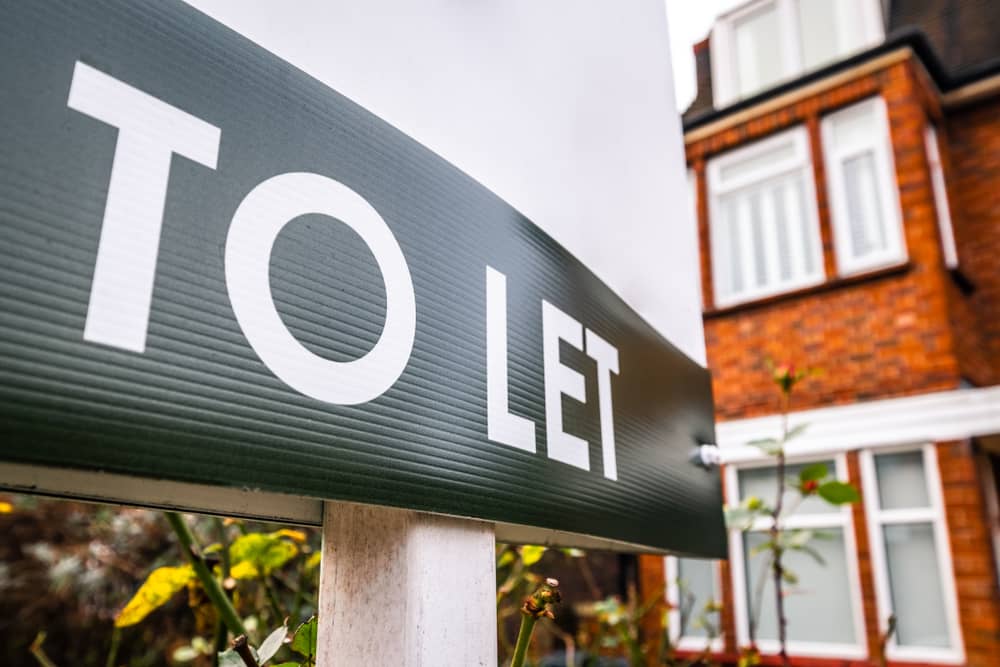
This article explores how BTL building insurance works, why it is important, what coverage includes and how to choose the right policy for your property.
29/07/2026By Sunil Chander · Co-Founder
This article explores how BTL building insurance works, why it is important, what coverage includes and how to choose the right policy for your property.
Buy-to-let property remains one of the most popular ways to build long-term wealth. Many landlords focus on rental income and property values, but protecting the physical building is just as important. Without the right insurance, one unexpected event could result in significant financial loss.
Buy-to-let building insurance is more than home insurance. It is designed specifically for landlords and covers risks that standard policies do not include.
What Is Buy-to-Let Building Insurance
Buy-to-let building insurance is a specialist form of coverage designed for rental properties. It protects the structure of the building, including the walls, roof and permanent fixtures. This type of insurance ensures that landlords can repair or rebuild their property if damage occurs.
Unlike standard home insurance, landlord insurance is tailored for rented homes. Standard policies often become invalid once tenants move in. Landlord insurance is built to handle risks such as tenant damage, legal liability and rental income protection, making it essential for anyone letting out property.
More Than Just Home Insurance
Many landlords assume that normal home insurance will be enough. However, renting out a property introduces new risks that standard policies do not cover. This is why buy-to-let insurance is considered more than home insurance.
Landlord insurance includes protection for tenant-related risks that regular policies will not cover. These additional protections make it a vital part of managing a rental property safely.
What Buy-to-Let Insurance Covers that Standard Home Insurance Does Not
Buy-to-let insurance is designed specifically for rental properties, while standard home insurance is built for owner-occupied homes. Because of this, landlord policies include several types of protection that you simply do not get with normal home insurance. These differences are important, as using the wrong policy could leave you uninsured.
Key things buy-to-let insurance covers that standard home insurance do not
Tenant-Related Risks
Damage caused by tenants, including malicious damage
Accidental damage caused by tenants or their guests
Theft or vandalism linked to tenant occupancy
Loss of Rental Income
Covers lost rent if the property becomes uninhabitable after events like fire or flood
Some policies may include rent guarantee cover if tenants fail to pay
Property Owner Liability (Landlord Liability)
Covers claims if a tenant or visitor is injured at the property
Includes legal costs and payouts
Often provides higher cover limits due to increased risk
Legal Expenses and Tenant Disputes
Covers eviction costs and legal proceedings
Helps with disputes over rent arrears or tenancy agreements
Provides access to legal advice for landlords
Alternative Accommodation for Tenants
Pays for tenant accommodation if the property becomes uninhabitable
Cover for Unoccupied Periods
Allows longer unoccupied periods without invalidating the policy
Provides protection during tenant changeovers
Specialist Property Cover
Cover for HMOs and multi-tenant properties
Cover for holiday lets and short-term rentals
Listed building insurance and other specialist home insurance options
Second home buildings insurance for part-time rentals
Customised Add-Ons for Landlords
Rent guarantee insurance
Emergency repair cover
Contents insurance for furnished rentals
Cover for fixtures, fittings and landlord-owned items
Why this Difference Matters
Using standard home insurance for a rental property can be risky. If the insurer finds out the property is being rented, a claim may be rejected. This could leave the landlord responsible for repair costs, legal claims or lost income.
Buy-to-let insurance is built to handle the real risks of renting out a property. It provides broader protection and helps landlords manage both financial and legal responsibilities.
Listed Building Insurance
Listed building insurance is designed for properties that are officially recognised for their historical or architectural importance. These buildings are protected by law, which means repairs and alterations must follow strict rules. This makes insurance more complex and often more expensive than standard buy-to-let cover.
Repairs on listed buildings must use traditional materials and skilled craftsmen. For example, replacing timber beams, lime plaster or slate roofing can cost far more than modern materials. Insurance must reflect these higher rebuild costs. Policies are usually based on a specialist valuation rather than a standard market estimate to ensure the property can be restored properly.
Another key feature of listed building insurance is compliance with conservation regulations. If damage occurs, landlords must repair the property in a way that meets legal requirements. This can include sourcing rare materials or following heritage guidelines. Standard policies may not cover these obligations, which is why specialist home insurance is essential in such situations.
Listed properties also carry a higher risk of extended repair times. This is because approvals may be required before work begins. As a result, many policies include cover for longer repair periods and alternative accommodation for tenants. This helps protect rental income while the property is being restored.
Landlords should also be aware that not all insurers will cover listed buildings. This is why specialist house insurance providers or brokers are often needed. They understand the risks involved and can tailor policies to suit the unique needs of heritage properties.
Second Home Buildings Insurance
Second home buildings insurance is used for properties that are not occupied full time. This includes holiday lets or part-time rental properties.
These policies often include cover for periods when the property is empty. This is important because many standard policies exclude cover if a property is left unoccupied for extended periods.
How to Choose the Right Provider
Choosing the right provider involves more than comparing prices. Landlords need to consider the level of protection offered and whether the policy suits their specific property.
It is important to check what is included in the policy and what exclusions apply. Some properties, such as HMOs or listed buildings, require specialist insurance. Understanding your needs will help you select the most suitable provider.
Conclusion
Buy-to-let building insurance is an essential part of protecting a rental property. It is more than home insurance because it covers risks that are specific to landlords. From tenant damage to loss of rent, the right policy provides vital financial protection.
Landlords have access to a wide range of providers, from large insurers to specialist companies. The key is to choose a policy that matches your property type and level of risk. Taking the time to compare providers and understand your cover will help ensure your investment remains secure.
FAQ's
Q. What is the difference between home insurance and landlord insurance?
A. Home insurance is designed for owner-occupied properties. Landlord insurance is specialist home insurance that covers rental risks such as tenant damage and loss of rent.
Q. Can I insure multiple properties under one policy?
A. Yes, many insurers offer multi-property policies. These can be more cost-effective and easier to manage.
Q. What does listed building insurance include?
A. It includes coverage for repairing or rebuilding historic properties using specialist materials and methods.
Q. What is second home buildings insurance?
A. It is insurance for properties that are not occupied full time. It often includes coverage for vacant periods.
Q. Do I need specialist house insurance for buy-to-let?
A. Yes, standard home insurance is usually not valid for rented properties. Specialist house insurance is designed for landlord risks.
About the author
Sunil Chander
Co-Founder
Sunil oversees operations and compliance at Pauzible, drawing on his extensive experience as the founder and CEO of Dawnbud Limited, a financial services consulting firm. His prior career included senior roles in investment banking at Smith New Court and NatWest. He holds an MBA from LBS, M Litt from Oxford and a PhD from Cambridge.