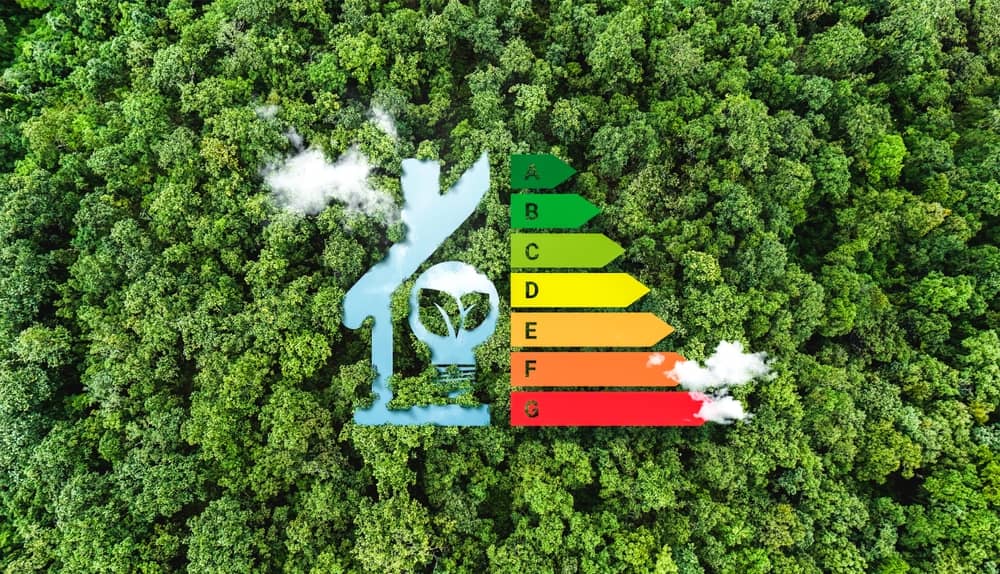
This article explores how green retrofits improve energy efficiency in homes and whether the long-term financial benefits outweigh the upfront costs.
08/06/2026By Sunil Chander · Co-Founder
Homeowners are increasingly looking for ways to make their homes more energy-efficient and environmentally friendly. Rising energy costs, climate concerns and government targets to reach net zero emissions by 2050 have all increased interest in green retrofits. These upgrades improve a property's efficiency and reduce its environmental impact. For many households, the question is not whether green improvements are beneficial, but whether they make financial sense.
Green retrofits include a wide range of upgrades such as insulation improvements, heat pumps, better windows, smart heating systems and entire-house climate control systems. Many lenders also now offer financial products such as green mortgages or retrofit loans to help homeowners cover the upfront costs. The key question for homeowners is whether the long-term benefits outweigh the initial investment.
Understanding Green Retrofits
A green retrofit refers to improving an existing building so it uses less energy and produces fewer carbon emissions. Most homes were built decades ago and were not designed with modern energy efficiency standards in mind.
Common green retrofit upgrades include:
Installing heat pumps
Improving lofts, cavity walls or solid wall insulations
Replacing single-glazed windows with double or triple-glazed windows
Installing solar panels
Adding smart thermostats and climate control systems
Upgrading ventilation systems
Such improvements tend to reduce energy consumption and increase comfort inside the home.
Why Retrofitting Matters
Many homes lose heat quickly due to poor insulation, outdated heating systems and inefficient windows. Most homes still rely heavily on gas heating, and only very few use low-carbon systems such as heat pumps.
Benefits of improving energy efficiency
Lower energy bills for households
Reduced pressure on the national energy system
Lower carbon emissions
Improved health due to warmer homes
Because of these benefits, both the government and lenders are encouraging homeowners to upgrade their properties through financing schemes and grants.
The Cost of Green Retrofits
The first step in any cost-benefit analysis is understanding the initial investment required. The price of a retrofit depends on the property size, the condition of the building and the technologies installed.
Typical retrofit costs include
Loft insulation: £500 to £1,500
Cavity wall insulation: £1,000 to £3,000
Double glazed windows: £425 to £800 per window
Air source heat pumps: £7,000 to £15,000
Solar panels: £5,000 to £12,000
These costs can increase if additional work is required. For example, there may be a need for electrical upgrades or structural modifications to support the new systems. Any additional work performed can add to the overall costs.
Heat Pumps and Low-Carbon Heating
One of the most significant upgrades in a green retrofit is switching to low-carbon heating. Heat pumps are increasingly recommended as a replacement for gas boilers. Heat pumps work by transferring heat from the air or ground into the home. They use electricity but require far less energy than traditional electric heaters.
Benefits of heat pumps include
Lower carbon emissions
Consistent indoor temperatures
Integration with the entire-house climate control systems
Reduced reliance on gas
The installation cost is often the largest barrier when considering this type of green retrofit. Even with grants such as the Boiler Upgrade Scheme, homeowners must still cover part of the expense.
Before committing to a retrofit project, it is important to understand and calculate the payback period. The payback period is the time required for the energy savings to equal the initial installation cost.
The Role of Insulation in Retrofit Value
Insulation improvements are often the most cost-effective retrofit upgrade. Upgrading loft insulation and wall insulation can significantly reduce a home's heating loss. Even if a new heating system is installed, insulation upgrades remain essential because they reduce the amount of energy required to heat the home. Insulation upgrades can mostly deliver a return on investment within five years due to energy savings.
Entire-House Climate Control Systems
Modern retrofits often include smart climate control systems. These technologies manage heating, ventilation and cooling across the entire home.
Examples of climate control systems
Smart thermostats
Zoned heating
Automated ventilation
Underfloor heating systems
Integrated heat pump systems
These systems optimise energy use and maintain consistent indoor temperatures. They also help homeowners monitor energy consumption in real time.
Solar Panels and Long-Term Energy Savings
Solar panels are a common upgrade in green retrofit projects. They allow homeowners to generate their own electricity and reduce reliance on the grid. A typical system can cost between £5,000 and £12,000, but it can lower energy bills over time. Solar panels can also improve a home's value, especially when combined with other upgrades such as heat pumps and entire house climate control systems.
Green Mortgages and Retrofit Financing
Financing is a key factor when deciding whether to retrofit a home. Many lenders now offer green mortgages or retrofit loans that encourage energy improvements. Green mortgages reward homeowners for improving energy efficiency or buying an energy-efficient property. Incentives can include:
Lower interest rates
Cashback rewards
Additional borrowing on favourable terms
There are now many more lenders offering green mortgage products than in the past. These loans are designed to help homeowners afford improvements such as heat pumps, solar panels or insulation upgrades.
Nationwide Building Society
Some lenders have introduced special financing options that help homeowners pay for energy-efficient improvements. Nationwide Building Society has a product designed to encourage homeowners to upgrade their properties while making the cost easier to manage.
The main features of the Nationwide Green Home Mortgage
Borrow between £5,000 and £20,000 for energy-efficient upgrades
Interest-free borrowing for two or five years
Maximum 90% LTV limit
Funds must be used for approved green home improvements
These improvements may include solar panels, heat pumps, insulation or new windows. Nationwide introduced the programme to support thousands of households upgrading their homes. The goal is to make properties warmer, more efficient and more affordable to run.
Weighing the Costs and Benefits
Before starting a green retrofit project, homeowners should compare the total investment with the long-term advantages the improvements may provide. A cost-benefit analysis helps determine whether the financial savings, comfort improvements and potential increase in property value justify the upfront expense.
Costs
Installation expenses
Maintenance costs
Building regulation compliance
Inspection costs
Benefits
Lower energy bills
Increased home comfort
Higher property value
Reduced carbon footprint
When energy savings and property value increases are combined, many retrofit projects become financially attractive over time.
Conclusion
Green retrofits are becoming a central part of the housing future. Most homes were built long before modern efficiency standards existed. Upgrading these properties is important for reducing energy consumption, lowering household bills and meeting national climate targets.
While the upfront costs of retrofits can be significant, long-term benefits often justify the investment. Energy savings, increased property value, improved comfort and lower carbon emissions all contribute to the overall return.
FAQs
Q. What is a green retrofit?
A. A green retrofit is an upgrade to an existing building that improves energy efficiency and reduces environmental impact. Examples include installing insulation, heat pumps or solar panels.
Q. Are heat pumps worth the investment?
A. Heat pumps can reduce carbon emissions and provide efficient heating. While installation costs can be high, many households see lower energy bills and improved comfort over time.
Q. What is a green mortgage?
A. A green mortgage is a home loan that rewards energy efficiency. Borrowers may receive lower interest rates, cashback or additional borrowing options for green improvements.
Q. How does the Nationwide Building Society green mortgage work?
A. The Nationwide scheme allows eligible mortgage customers to borrow between £5,000 and £20,000 at 0% interest for two or five years to fund energy-efficient upgrades such as insulation, solar panels or heat pumps.
Q. Do green retrofits increase home value?
A. Homes with better energy efficiency often sell faster and may achieve higher prices because buyers value lower running costs and modern heating systems.
About the author
Sunil Chander
Co-Founder
Sunil oversees operations and compliance at Pauzible, drawing on his extensive experience as the founder and CEO of Dawnbud Limited, a financial services consulting firm. His prior career included senior roles in investment banking at Smith New Court and NatWest. He holds an MBA from LBS, M Litt from Oxford and a PhD from Cambridge.
green retrofitsenergy efficiencyheat pumpsgreen mortgageshome improvements
Ready to see what Pauzible could unlock?
Explore how accessing equity from your BTL property could support your business investment plans.
No obligation. Just a clear view of what might be possible.