Dealing With Repeated Complaints: Noise, Damp and Neighbours
This article explores how landlords can deal with repeated tenant complaints, including about noise, damp and disputes with neighbours.
26/06/2026By Sunil Chander · Co-Founder
This article explores how landlords can deal with repeated tenant complaints, including about noise, damp and disputes with neighbours.
Repeated tenant complaints can quickly become a major source of stress for private landlords. Whether the issue involves persistent noise, ongoing damp and mould, or escalating disputes with neighbours, as a landlord, you are expected to respond in a structured, fair and legally compliant way.
Persistent issues can lead to involvement from local authorities, formal enforcement action and sometimes even legal claims against the landlord. At the same time, acting without evidence or overreacting can create complications, particularly if tenants or neighbours feel that they are being treated unfairly. The key lies in adopting a consistent and evidence-based approach that balances tenant rights with landlord responsibilities. This article explores how landlords can deal with repeated tenant complaints or disputes with neighbours fairly.
Why repeated complaints must be taken seriously
Under housing laws, tenants have the right to live in a property that is safe and free from serious disruption. This includes protection from hazards such as structural damp, as well as the right to what is often referred to as "quiet enjoyment". Quiet enjoyment does not mean absolute silence, but it does mean that tenants should not be subjected to persistent or unreasonable disturbance.
If a landlord is made aware of ongoing noise complaints or safety issues, such as mould complaints, and fails to act, they may be considered negligent in their responsibilities. Equally, complaints relating to anti-social behaviour or disputes with neighbours can escalate if left unresolved, particularly where multiple parties are affected. This is why documentation and early intervention are so important.
Building a clear record of tenant complaints
One of the most important steps landlords can take is to document every complaint thoroughly. Each report should be recorded with the date, time, nature of the issue and any action taken. This creates a clear timeline that can be used if the situation escalates or requires involvement from external authorities.
Encouraging tenants to keep their own logs can also be helpful. For example, in cases involving repeated noise complaints, a diary of incidents can provide valuable supporting evidence. This kind of structured record-keeping not only strengthens your position but also ensures that responses remain consistent and proportionate.
Handling damp and mould complaints correctly
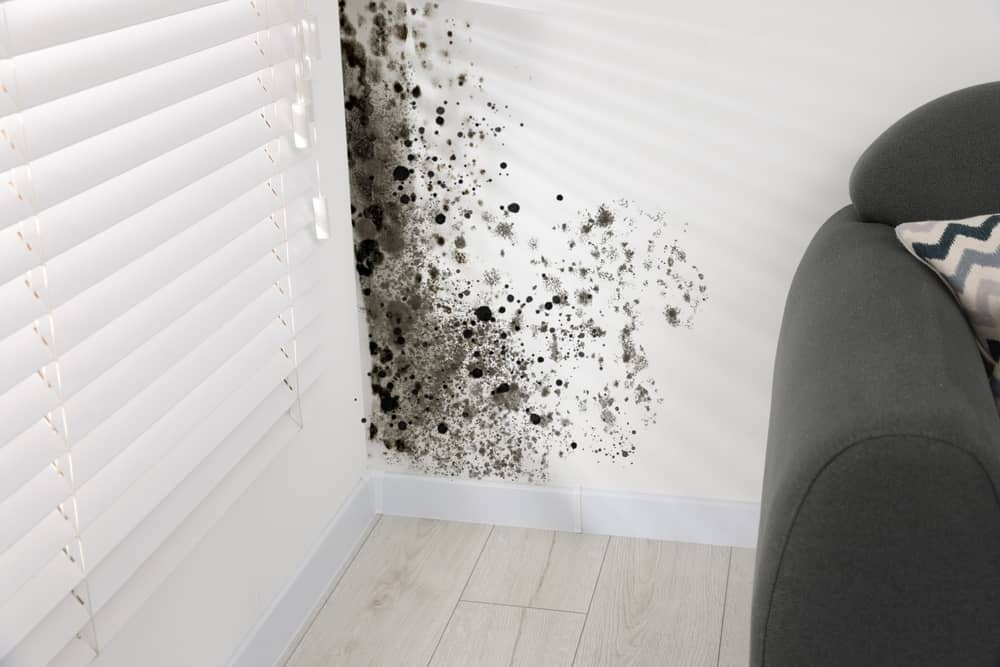
Issues involving damp and mould require particularly careful handling because they are closely linked to a landlord's legal obligations to maintain the structure and exterior of the property. This includes addressing issues such as leaks, defective guttering and ventilation problems that can contribute to damp and mould.
When a complaint is raised, the first step is to investigate the cause. Damp can arise from structural issues, such as water ingress, or from condensation linked to everyday activities within the property. While tenant behaviour may contribute to condensation, landlords cannot simply attribute the problem to lifestyle factors. If the property lacks adequate ventilation or insulation, responsibility may still fall on the landlord.
Once the cause has been identified, action should be taken promptly. Structural issues must be repaired, while condensation-related problems may require improvements such as extractor fans or better airflow. Delays in addressing mould complaints can lead to more serious consequences, including intervention from local authorities.
Managing noise complaints and disputes with neighbours
Noise complaints are among the most common issues landlords encounter, but they can also be some of the most complex to resolve. In many cases, the noise originates from neighbouring properties that are not under the landlord's control. However, landlords are still expected to take reasonable steps once they are aware of the issue.
An initial approach may involve encouraging tenants to communicate directly with neighbours, provided it is safe to do so. In some cases, mediation services can help resolve disputes without escalation. Where the issue persists, landlords may need to contact the neighbour's landlord or managing agent. If the disturbance reaches the level of a statutory nuisance, tenants can also involve the local council's environmental health team. For disputes with neighbours, the goal is not necessarily to eliminate all noise but to address behaviour that is unreasonable or persistent.
When your own tenant is the source of complaints
Situations become more directly connected to you when complaints relate to your own tenant. If a tenant is causing ongoing disturbance, the landlord has a responsibility to act. This typically begins with verbal communication, followed by formal written warnings if the behaviour continues. Tenancy agreements usually include clauses relating to anti-social behaviour, which provide a framework for addressing these issues. If the situation does not improve, landlords may consider further action. In some cases, this could involve serving notice under the relevant legal provisions, such as Section 8, provided sufficient evidence is available. It is important to note that action should always be proportionate and supported by documented evidence. Acting too quickly without proper documentation can weaken the landlord's position.
The role of the local authority
Local authorities play a key role in managing serious cases involving noise complaints, mould complaints and anti-social behaviour. Environmental health teams can investigate statutory nuisances, while housing officers may become involved if a property is deemed unfit for habitation due to issues such as severe damp.
Encouraging tenants to report persistent problems to the council can sometimes help move matters forward, particularly where enforcement powers are required. At the same time, landlords should remain engaged in the process rather than relying solely on external intervention.
Avoiding the risk of retaliatory action
One of the most important considerations when dealing with complaints is avoiding the perception of retaliatory action. If a tenant raises a legitimate issue, particularly one relating to repairs or safety, landlords must address the problem rather than attempting to remove the tenant. Where a tenant complains about conditions such as damp and the landlord responds by initiating eviction proceedings, the tenant may be able to challenge this as a retaliatory eviction. If the local authority becomes involved and serves an improvement notice, certain types of eviction action may become invalid. As such, it is essential to respond appropriately to tenant complaints and address underlying issues rather than avoiding them.
Taking a balanced and structured approach
Managing repeated complaints requires a balance between responsiveness and objectivity. Landlords should avoid dismissing complaints too quickly but also avoid making assumptions without evidence. Each case should be assessed based on the facts, supported by documentation and, where necessary, professional input.
A structured approach ensures that decisions are consistent and defensible. It also helps maintain positive relationships with tenants, even in difficult situations. Over time, this approach can reduce the likelihood of disputes escalating and improve overall tenancy management.
Conclusion
Repeated tenant complaints are sometimes an inevitable part of managing rental property, but they do not have to become unmanageable. By documenting issues carefully, investigating causes thoroughly, and responding in a structured and reasonable way, landlords can handle noise complaints, mould complaints, and disputes with neighbours effectively. The key is to focus on evidence, communication and compliance. When these elements are in place, even complex situations can be resolved fairly and professionally.
FAQs
Q. What should landlords do when they receive repeated tenant complaints?
A. Landlords should take all tenant complaints seriously and begin by documenting each issue carefully. Investigating promptly and keeping clear records helps ensure the situation is handled fairly and can be supported if it escalates.
Q. Are landlords responsible for noise complaints from neighbours?
A. Landlords are not always directly responsible for neighbouring properties, but they should still take reasonable steps once aware of ongoing noise complaints. This may include contacting the neighbour's landlord or advising tenants on reporting the issue to the local council.
Q. How should landlords deal with damp and mould complaints?
A. Complaints involving damp or mould should be investigated promptly to identify the cause. If the issue relates to the structure or ventilation of the property, the landlord is responsible for carrying out repairs or improvements.
Q. Can landlords blame tenants for condensation issues that trigger damp?
A. While tenant behaviour can contribute to condensation, landlords cannot rely on this alone. If the property lacks adequate ventilation or insulation, responsibility may still fall on the landlord.
Q. What evidence is needed for noise complaints?
A. Keeping a detailed log of incidents, including dates and times, is essential for noise complaints. This helps demonstrate that the issue is persistent and not an isolated occurrence.
Q. What should landlords do if their tenant is causing complaints?
A. Landlords should address the issue directly with the tenant, starting with verbal communication and escalating to formal written warnings if necessary. Clear evidence and reference to the tenancy agreement terms are important.
Q. Can disputes with neighbours be resolved without legal action?
A. Yes, many disputes with neighbours can be resolved through communication or mediation. Encouraging tenants to engage constructively can often prevent escalation.
Q. When should landlords involve the council?
A. If complaints persist or reach the level of a statutory nuisance, involving the local council may be appropriate.
Q. What is a retaliatory eviction?
A. Retaliatory eviction occurs when a landlord attempts to remove a tenant after they raise legitimate concerns, such as repair issues. This can be challenged if the complaint is valid and has been reported to the council.
Q. How can landlords avoid ongoing disputes?
A. Maintaining clear communication, keeping detailed records, and responding promptly to issues can help prevent disputes from escalating. A structured, evidence-based approach is key to managing repeated complaints effectively.
Sunil oversees operations and compliance at Pauzible, drawing on his extensive experience as the founder and CEO of Dawnbud Limited, a financial services consulting firm. His prior career included senior roles in investment banking at Smith New Court and NatWest. He holds an MBA from LBS, M Litt from Oxford and a PhD from Cambridge.
tenant complaintsnoisedamp and mouldanti-social behaviourlandlords
Ready to see what Pauzible could unlock?
Explore how accessing equity from your BTL property could support your business investment plans.
No obligation. Just a clear view of what might be possible.