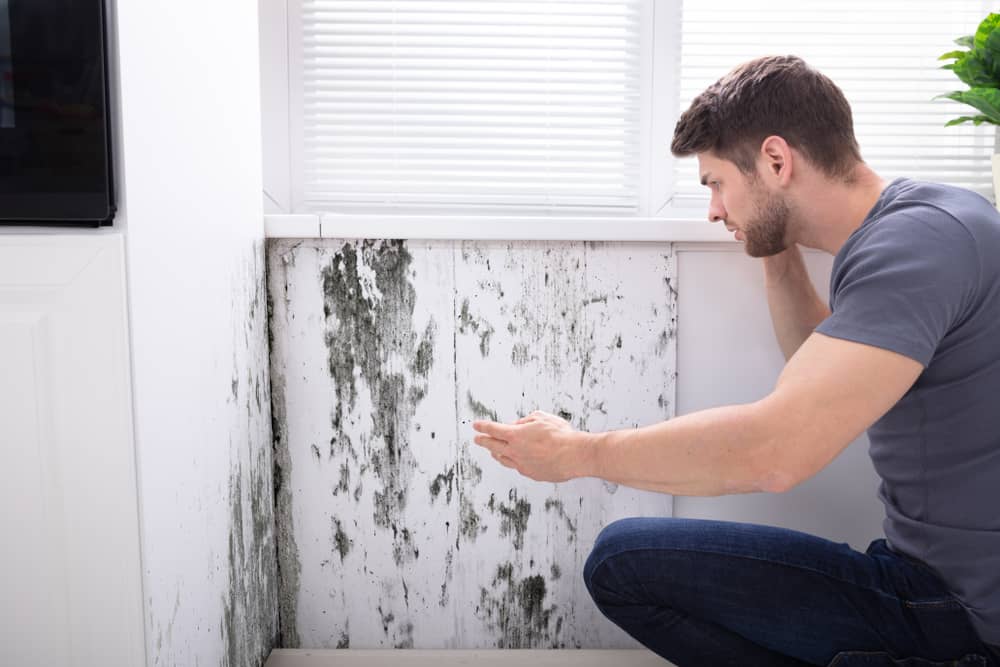
How to Finance Damp Proofing and Ventilation Improvements
This article explores some options available to landlords for financing damp proofing and ventilation upgrades in buy-to-let rental properties.
30/10/2026By Sunil Chander · Co-Founder
This article explores some options available to landlords for financing damp proofing and ventilation upgrades in buy-to-let rental properties.
Damp and mould in rental housing cannot be treated as cosmetic problems to be dealt with at the landlord's convenience. Since 27 October 2025, Awaab's Law has imposed fixed response timeframes for social landlords, and the Renters' Rights Act 2025, which received Royal Assent on the same date, intends to introduce Awaab's Law-style requirements in the private rented sector.
The implementation date for these requirements remains subject to consultation, and the regulations that set out the precise duties and timeframes should be reviewed once published. Regardless, landlords should be prepared to respond promptly to damp and mould issues reported by tenants. This article explores how landlords can finance damp proofing and ventilation improvements for their rental properties.
Understanding what causes damp and mould in rental properties
Effective mould prevention starts with an accurate diagnosis, since treating the wrong type of damp wastes money and leaves the underlying problem unresolved. Rising damp occurs where ground moisture travels upward through masonry, usually due to a failed or missing damp-proof course. Penetrating damp results from water entering through defective brickwork, render or roofing.
Condensation results when moisture in the indoor air settles on colder surfaces. It may be linked to insufficient ventilation, inadequate heating, cold bridging, poor insulation, or a combination of building and occupancy factors. Landlords who inspect regularly, keep extractor fans in working order, and address leaks and blocked vents promptly are far less likely to face an escalating hazard later.
Ventilation upgrades that can reduce recurring damp and mould
Where condensation is the cause, improving ventilation can be one of the most effective steps a landlord takes to prevent mould from returning after treatment. A straightforward extractor fan installation may cost a few hundred pounds, although the total cost can be higher where new wiring, ducting, external vents or building work is required. Positive input ventilation and whole-property ventilation systems generally cost more and should be specified for the individual building. Dehumidifiers can help manage moisture in the air, but they do not resolve structural damp problems and should not be treated as a substitute for proper diagnosis and repair.
What damp or ventilation repairs typically cost
Costs vary considerably depending on the type of damp and the extent of the work required. UK damp proofing costs average around £5,000, although smaller, localised treatments such as injection damp proofing typically cost between £1,000 and £3,000. It is important to understand that costs can vary substantially, depending on whether replastering, membrane work, drainage repairs, or treatment of several walls is included. It is wise to obtain quotes from several appropriately qualified professionals.
Financing damp proofing and ventilation work
Where the cost of damp proofing or a broader ventilation upgrade exceeds what a landlord can comfortably cover from cash flow, a second-charge mortgage or secured loan can be used to fund repairs. This sits behind the existing mortgage as additional secured borrowing and is generally arranged through a specialist second charge lender. Eligibility is typically assessed using factors such as the property's value, the available equity, rental income and the landlord's overall financial position. It can provide a defined sum for a specific project.
Pauzible offers an equity partnership model as a different type of property repair finance. Landlords can unlock up to £500,000 per property, within a combined loan-to-value limit of up to 85% alongside the existing mortgage, over a chosen term of two, three, or five years. The landlord pays a monthly rent share plus a separate interest cost, which can be paid monthly or deferred to the end of the term, and the principal repayment amount at settlement is either fixed upfront or linked to the property's value. Landlords can use our helpful calculator to consider and compare the costs of these different product features.
Conclusion
Damp, mould and inadequate ventilation can no longer be viewed as a maintenance afterthought. These issues are becoming increasingly important compliance considerations, driven by Awaab's Law, the Renters' Rights Act and HMO requirements under the Housing Health and Safety Rating System. Diagnosing the root cause before choosing a treatment is essential, and ventilation improvements often prevent the same problem from resurfacing.
When it comes to funding the work, landlords would be well advised to consider their options carefully. This gives landlords the best chance of resolving the problem properly and protecting both their tenants and their investment before a hazard escalates into an enforcement issue. If you would like to learn more about equity partnership with Pauzible, contact our team today.
FAQs
Q. What is the difference between rising damp, penetrating damp and condensation?
A. Rising damp is caused by ground moisture travelling upward through masonry, usually due to a failed damp-proof course. Penetrating damp enters through external defects such as damaged brickwork or roofing, while condensation results from excess internal moisture and poor ventilation, and is the most common cause of damp in rental properties.
Q. How quickly must landlords act on a damp or mould report?
A. Social landlords must investigate significant damp and mould hazards within fixed timeframes under Awaab's Law. The private rented sector will become subject to similar obligations under the Renters' Rights Act, although exact timeframes have not yet been confirmed by the government.
Q. Does Awaab's Law currently apply to private landlords?
A. Not yet. Awaab's Law currently applies to social landlords. The Renters' Rights Act 2025 provides for equivalent requirements to be introduced in the private rented sector, but the implementation date and precise duties have not yet been confirmed.
Q. How much does damp proofing typically cost?
A. UK damp proofing costs average around £5,000, although smaller, localised treatments such as injection damp proofing often cost between £1,000 and £3,000. Costs vary significantly depending on the type of damp, the extent of the work and the region, so written quotes following proper diagnosis is essential.
Q. Can a dehumidifier fix a damp problem?
A. A dehumidifier can help manage day-to-day moisture in the air, but it does not resolve structural causes of damp, such as a failed damp proof course or defective brickwork. It should be treated as a temporary aid rather than a repair.
Q. Why is ventilation so important in preventing mould?
A. Poor ventilation allows moisture from cooking, bathing and breathing to build up indoors, which condenses on cold surfaces and encourages mould growth. Installing or upgrading extractor fans in kitchens and bathrooms is often an effective long-term prevention measure.
Q. What is a second charge repairs loan?
A. A "second charge repairs loan" is a descriptive term for a second charge mortgage or secured loan used to fund property repairs. It is additional secured borrowing taken out against a property that already has an existing mortgage. It increases the overall secured debt against the property and will usually add another monthly repayment.
Q. How does Pauzible's equity partnership work?
A. Pauzible provides an upfront sum under an equity partnership arrangement. In return, the landlord pays a monthly rent share plus a separate monthly interest cost, which can be deferred, and a final repayment amount at the end of the term that can either be fixed upfront or linked to the property's value.
Q. Are HMO properties more prone to damp and ventilation issues?
A. HMOs may experience more concentrated condensation and ventilation problems because of higher occupancy density and heavier use of kitchens and bathrooms. Damp and mould may be assessed under the Housing Health and Safety Rating System, while ventilation may also be relevant to HMO management duties, local amenity standards and property-specific licence conditions.
Q. What happens if a landlord ignores a serious damp or mould hazard?
A. A local authority may inspect the property under the Housing Health and Safety Rating System and, where a serious hazard exists, may serve an improvement notice, make a prohibition order or take emergency action. Failure to comply with legal duties or an enforcement notice can lead to civil penalties or prosecution. In an HMO, unresolved hazards may also affect licensing and the landlord's fitness or management arrangements.
About the author
Sunil Chander
Co-Founder
Sunil oversees operations and compliance at Pauzible, drawing on his extensive experience as the founder and CEO of Dawnbud Limited, a financial services consulting firm. His prior career included senior roles in investment banking at Smith New Court and NatWest. He holds an MBA from LBS, M Litt from Oxford and a PhD from Cambridge.