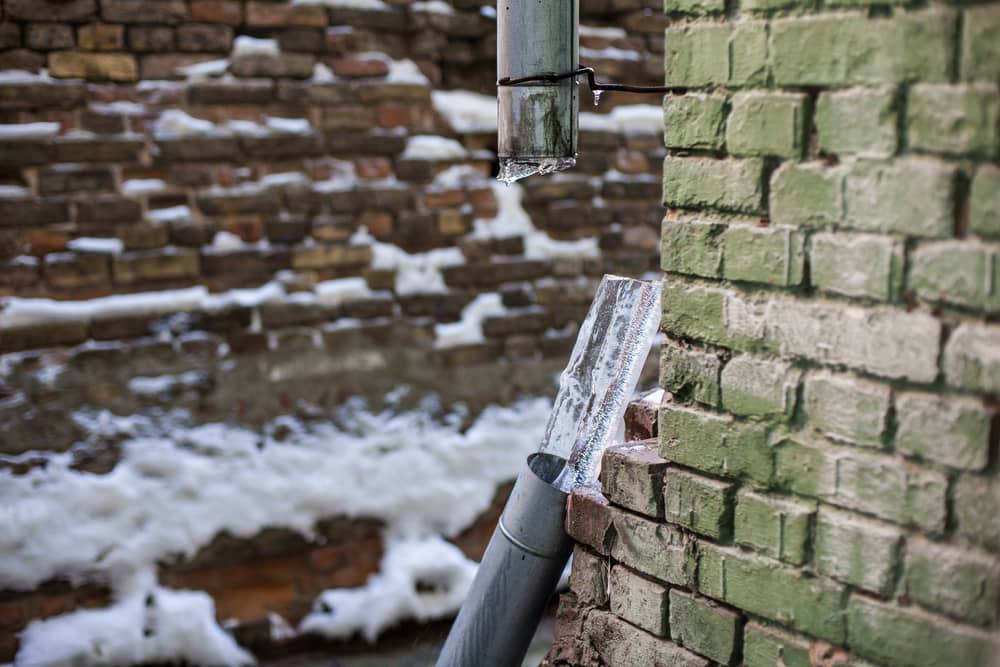
This article explores how landlords can prevent burst pipes and winter damage, from pipe insulation to managing unoccupied properties.
28/08/2026By Sunil Chander · Co-Founder
This article explores how landlords can prevent burst pipes and winter damage, from pipe insulation to managing unoccupied properties.
Of all the risks that come with owning a rental property, few carry the financial weight of a burst pipe. Escape of water is the most common landlord insurance claim, and the average payout has risen steadily over the years. Burst pipe prevention is, however, largely achievable through practical, well-timed action. This article outlines what landlords should be doing before temperatures fall.
Why pipes burst in winter
The mechanics are not complicated. When temperatures drop below zero, water inside pipes freezes and expands, creating pressure the pipes cannot sustain. The fracture that results is often not visible until the ice thaws and water begins to flow, sometimes hours or even days after the damage has occurred. Pipes in unheated areas, such as lofts, basements, garages and external walls, are the most vulnerable, especially those serving a property that has been left empty. Frozen pipes in unoccupied rental properties are arguably the highest-risk scenario of all, as no one is present to catch the problem before it escalates.
Pipe insulation: The first line of defence
Fitting foam lagging or insulation to exposed pipework is one of the most cost-effective forms of burst pipe prevention. Pipes in lofts, cellars and other unheated spaces should be a priority, but any pipe running along an external wall or through an uninsulated void needs attention. Outdoor taps, overflow pipes and external fittings should also be covered using purpose-made insulating covers or wrapped with waterproof lagging tape. Where cold air can enter through gaps or cracks around external walls or window frames, sealing will reduce the risk to pipework running nearby.
Heating, thermostats and the 13°C rule
A property does not need to be particularly warm to prevent frozen pipes, but it must remain above the temperature at which water freezes. A widely accepted threshold among insurers and property professionals is a continuous thermostat setting of 13°C, maintained throughout the winter months and particularly when a property is vacant. Some insurers specify that, between 1 November and 31 March, vacant properties must either maintain heating at this level continuously or have the water system fully drained. Landlords must review policy terms carefully, as failure to comply can affect the validity of a subsequent escape of water claim.
Knowing the stopcock location
When a pipe does fail, turning off the water supply at the mains stopcock is the most effective action you can take to limit the resulting damage. Every tenant should know where the stopcock is located and how to operate it. As a landlord, you should be sure to convey this at the start of the tenancy and remind tenants before winter. Landlords should also check periodically that the stopcock itself operates correctly. Seized valves are not uncommon in older properties.
Managing an unoccupied property in winter
A property unoccupied in winter requires specific precautions beyond standard maintenance routines. In addition to maintaining minimum heating levels, landlords should consider draining the water system entirely if the property will be empty for an extended period, shutting off the supply at the mains.
Most insurers require landlords to take active steps when a property is vacant for more than 30 consecutive days. Visiting the property routinely can help catch problems early and is usually a requirement. Landlords should also confirm whether their existing policy provides adequate cover for unoccupied periods, as some policies limit or exclude cover once a property has been empty for a specified number of days.
Communicating responsibilities to tenants
Effective winter property maintenance depends on good communication between landlords and tenants, and your tenancy agreement is an appropriate place to set out your expectations. Landlords should include a clause requiring tenants to report any signs of damp, leakage or plumbing problems promptly, to maintain adequate heating during cold spells, and to notify the landlord if the property will be left unoccupied for more than 14 days during the winter months. A brief written communication at the start of each winter season reinforces these expectations and helps establish a shared responsibility for preventing frozen pipes in the rental property.
A winter checklist for landlords
Working through the following before the cold weather sets in significantly reduces the risk of a costly claim:
Arrange a boiler service and confirm the heating system is functioning correctly
Lag exposed pipes in lofts, garages, basements and external areas
Insulate outdoor taps and external fittings with purpose-made covers or lagging tape
Confirm the stopcock operates and that tenants know where it is located
Review insurance policy terms for unoccupied property requirements (if applicable)
Set or confirm a minimum thermostat setting of 13°C for vacant periods
Remind tenants in writing of their responsibilities
Conclusion
Winter damage to a rental property can be costly and disruptive, but burst pipes are preventable in most cases. A proactive approach to winter property maintenance is the most cost-effective investment a landlord can make as the colder months approach, and ensuring your tenants are on board is essential.
FAQs
Q. Who is responsible for preventing burst pipes in a rental property?
A. Responsibility is shared between the landlord and the tenant, though the specific division depends on what is set out in the tenancy agreement. As the property owner, the landlord is responsible for ensuring the plumbing is in good condition and properly insulated, while tenants are typically expected to maintain adequate heating and report any problems promptly.
Q. What temperature should I keep a vacant rental property at during winter?
A. The widely recommended minimum is 13°C, maintained continuously throughout the winter months. Insurers may include this as a specific condition in their policy terms for properties left unoccupied between November and March, so it is worth confirming the exact requirements of your policy.
Q. What is an escape of water claim?
A. An escape of water claim is an insurance claim made when water leaks from within a property's plumbing or heating system and causes damage to the building or its contents. Burst pipes are among the most common triggers, and escape of water consistently tops the list of landlord insurance claims.
Q. How should I prepare an unoccupied property in winter?
A. At a minimum, the thermostat should be set to 13°C continuously, or the water system should be fully drained and the supply shut off at the stopcock. It is also advisable to arrange periodic visits and to review your insurance policy to confirm that cover remains valid during the period of vacancy.
Q. Where is the stopcock usually located in a rental property?
A. In most properties, the stopcock is located under the kitchen sink, though it can also be found in a utility room, under the stairs or near the main water entry point into the building. Landlords should confirm the exact location with tenants at the start of each tenancy and check that the valve is operational during routine inspections.
Q. Does pipe insulation make a meaningful difference to burst pipe prevention?
A. Yes, pipe insulation is one of the most cost-effective preventative measures available to landlords. Fitting foam lagging to exposed pipes in unheated areas such as lofts, garages and basements can substantially reduce the risk of freezing and is relatively straightforward to carry out before winter.
Q. What should a tenant do if a pipe bursts in a rental property?
A. The first step is to turn off the water supply at the stopcock to stop the flow of water and then to contact the landlord or letting agent immediately. Tenants should also move any belongings away from affected areas if it is safe to do so and avoid using electrical fittings near standing water.
Q. Can a landlord include frost protection responsibilities in a tenancy agreement?
A. Yes, and it is strongly advisable to do so. A tenancy agreement can include clauses requiring tenants to maintain minimum heating levels, notify the landlord of extended absences during winter and report any signs of damp or leaking without delay.
Q. How often should the boiler be serviced in a rental property?
A. Annual boiler servicing is strongly recommended, and in the case of gas appliances, an annual gas safety check is a legal requirement under the Gas Safety (Installation and Use) Regulations 1998. Arranging the service before the winter season begins ensures the system is operating reliably at the point when tenants depend on it most.
Q. Will landlord insurance cover the cost of a burst pipe?
A. Most standard landlord insurance policies include cover for escape of water, but the specific terms, excesses and conditions vary between providers. Landlords should review their policy carefully, particularly with regard to unoccupied property requirements, as failure to meet those conditions can affect the validity of a claim.
About the author
Sunil Chander
Co-Founder
Sunil oversees operations and compliance at Pauzible, drawing on his extensive experience as the founder and CEO of Dawnbud Limited, a financial services consulting firm. His prior career included senior roles in investment banking at Smith New Court and NatWest. He holds an MBA from LBS, M Litt from Oxford and a PhD from Cambridge.