Landlord Safety Responsibilities: EICR, Gas, Fire and Alarms
This article explores some of the key areas of landlord home safety responsibility, including gas and electrical safety, alarms and fire protection.
15/06/2026By Sunil Chander · Co-Founder
Safety compliance is one of the key responsibilities of landlords. Rental property owners must ensure that homes they let meet strict legal standards designed to protect tenants from risks linked to gas, electricity, fire and structural hazards. These rules are not optional. The law places clear obligations on landlords to maintain safe living conditions and carry out regular inspections. Failing to comply with these duties can lead to substantial financial penalties and may even affect a landlord's ability to evict tenants legally.
Understanding these requirements helps landlords protect tenants, maintain property standards and avoid regulatory breaches. This article explores some of the key areas of landlord home safety responsibility, including gas safety, electrical inspections, alarms and fire protection measures.
Gas safety requirements
Gas safety is one of the most strictly regulated aspects of rental property management. Landlords must ensure that all gas appliances, flues and pipework provided in a property are maintained in a safe condition and inspected regularly.
Annual gas safety inspection
Every rental property with gas appliances must undergo an annual safety inspection carried out by a qualified Gas Safe registered engineer. During this inspection, the engineer checks that gas appliances are functioning safely and that there are no leaks or dangerous faults. After the inspection, the engineer will issue a CP12 certificate, also known as a Landlord Gas Safety Record. This document confirms the results of the inspection and lists any issues identified. Landlords must provide a copy of the certificate to existing tenants within 28 days of the inspection and to new tenants before they move into the property.
Record-keeping requirements
Gas safety records must be kept for at least two years. This ensures there is a documented history showing the property has been maintained safely. Landlords are also permitted to carry out the safety check up to two months before the expiry of the current certificate while maintaining the same renewal date. This provides useful flexibility when scheduling annual checks.
Electrical safety and EICR requirements
Electrical safety is another critical area of landlord responsibility. Faulty wiring or poorly maintained electrical installations can present serious risks, including fire hazards and electric shock. Under the Electrical Safety Standards in the Private Rented Sector Regulations, landlords must ensure the fixed electrical system in a property is inspected and tested regularly.
Electrical Installation Condition Report
The inspection is documented in an Electrical Installation Condition Report, commonly known as an EICR. This report confirms whether the electrical installation meets current safety standards. The law requires that an EICR inspection be carried out at least every five years by a qualified electrician. Once the inspection has been completed, landlords must provide tenants with a copy of the report within 28 days. If the report identifies safety problems, remedial work must be completed within the timeframe specified in the report. In cases where urgent issues are identified, repairs may need to be carried out immediately.
Portable appliance safety
Although Portable Appliance Testing is not always a legal requirement for every rental property, landlords still have a duty to ensure electrical appliances supplied with the property are safe to use. Regular safety checks and testing are particularly important in furnished properties and HMOs where appliances are used frequently.
Smoke alarms and carbon monoxide alarms
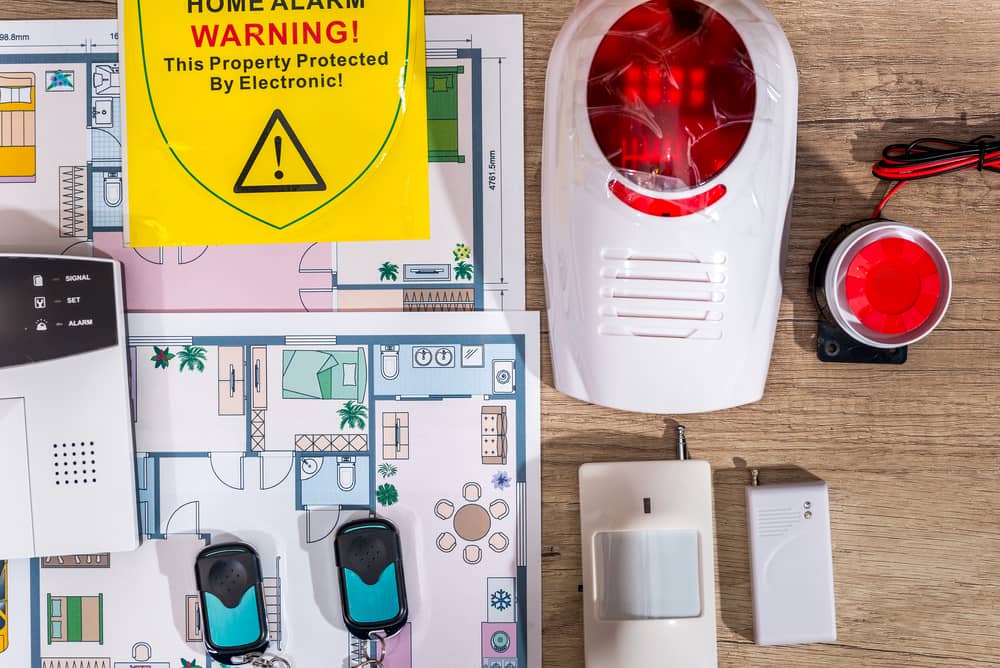
Fire detection systems are another core component of a landlord's home safety obligations. Regulations require landlords to install alarms that can warn tenants quickly if a fire or dangerous gas leak occurs.
Smoke alarm requirements
Landlords must install at least one working smoke alarm on every storey of a property used as living accommodation. These alarms must be tested and confirmed to be working at the start of each new tenancy. If a tenant reports that an alarm is faulty, the landlord must repair or replace it as soon as reasonably practicable. Failure to comply with smoke alarm regulations can result in fines from local authorities.
Carbon monoxide alarms
A carbon monoxide alarm must be installed in any room used as living accommodation that contains a fixed combustion appliance such as a boiler, wood-burning stove or coal fire. Carbon monoxide is particularly dangerous because it is colourless and odourless. Alarms provide a critical early warning system that helps protect tenants from carbon monoxide poisoning.
Fire safety responsibilities
Fire safety also includes structural protection measures that reduce the spread of fire and support safe evacuation. Landlords must ensure that escape routes remain clear and accessible at all times. Tenants should be able to exit the property quickly if a fire occurs. Furniture supplied with the property must comply with fire resistance regulations under the Furniture and Furnishings (Fire Safety) Regulations. These requirements apply particularly to furnished properties where sofas, mattresses and other soft furnishings are provided.
Fire doors and fire protection measures
In some properties, particularly Houses in Multiple Occupation, fire door systems form an important part of fire safety. Fire doors are designed to slow the spread of fire and smoke, allowing occupants more time to escape and helping emergency services contain the incident. These doors are commonly installed along escape routes and between high-risk areas such as kitchens and living spaces.
Fire doors in HMOs
HMOs are subject to stricter fire safety regulations. Fire doors in these properties are typically required to provide at least 30 minutes of fire resistance and must include self-closing mechanisms. Landlords must ensure that fire doors close properly and have not been altered or propped open, as this can compromise their effectiveness. Regular inspection of hinges, seals and closing mechanisms helps ensure the doors continue to function correctly.
Fire risk assessments
For HMOs, landlords must carry out a formal fire risk assessment that evaluates hazards, escape routes and fire prevention measures. Although not always mandatory for single-family rental properties, carrying out a fire risk review is considered best practice and helps landlords identify potential safety issues before they become serious problems. This proactive approach supports tenant safety and helps demonstrate responsible property management.
Penalties for non-compliance
Failure to meet landlord safety obligations can lead to significant penalties. Local authorities can impose fines for failing to install or maintain smoke alarms and carbon monoxide alarms. Electrical safety breaches may also lead to enforcement action and financial penalties.
In addition, failing to provide essential safety documents such as a CP12 certificate or an EICR may affect a landlord's ability to serve an eviction notice. Maintaining up-to-date safety records and inspections is therefore essential not only for tenant safety but also for protecting landlords from legal complications.
Maintaining a proactive safety approach
Safety compliance should not be treated as a once-a-year administrative task. Effective home safety management involves ongoing attention to maintenance, documentation and communication with tenants. Landlords should maintain organised records of all inspections, safety certificates and repair work carried out on the property. Digital record systems and property management software can help streamline this process and ensure renewal dates are not missed. Regular property inspections also provide opportunities to identify hazards early and maintain safe living conditions.
Conclusion
Safety regulations play a vital role in protecting tenants and ensuring rental homes meet the required standards. From annual gas inspections and CP12 certificates to electrical testing, alarm installation and fire protection measures, landlords must manage several critical areas of compliance.
By understanding and maintaining these requirements, landlords can provide safer homes while avoiding costly penalties and legal complications. Taking a proactive approach to safety fulfils your legal obligations while building trust with tenants and supporting long-term property management success.
FAQs
Q. Do landlords legally need a CP12 certificate?
A. Yes, a CP12 certificate is required after an annual gas safety inspection carried out by a Gas Safe registered engineer. Landlords must provide a copy to tenants and keep records for at least two years.
Q. How often is an EICR required?
A. An Electrical Installation Condition Report must usually be completed every five years. Landlords must give tenants a copy of the report and complete any required remedial work within the specified timeframe.
Q. Where must smoke alarms be installed?
A. At least one smoke alarm must be installed on every storey of a rental property used as living accommodation. Landlords must ensure the alarms are working at the start of each tenancy.
Q. When is a carbon monoxide alarm required?
A. A carbon monoxide alarm must be installed in any room used as living accommodation that contains a fixed combustion appliance, such as a gas boiler or wood-burning stove.
Q. Are fire doors required in all rental properties?
A. Fire doors are typically mandatory in HMOs and properties with specific fire safety requirements. They help slow the spread of fire and protect escape routes.
Q. What happens if a landlord fails to meet safety requirements?
A. Landlords may face fines or enforcement action from local authorities. In some cases, failing to provide required safety certificates can affect eviction rights.
Q. Are landlords responsible for maintaining appliances they provide?
A. Yes, any appliances supplied with the property must be safe and properly maintained. This includes gas appliances and electrical equipment.
Q. Do landlords need to carry out fire risk assessments?
A. Fire risk assessments are required for HMOs and recommended for other rental properties. They help identify potential hazards and improve safety planning.
Q. How often should safety inspections be organised?
A. Gas safety inspections are required annually, electrical inspections every five years and alarm checks at the start of each tenancy. Other safety checks should be carried out regularly as part of property maintenance.
Q. Why is home safety compliance important for landlords?
A. Compliance protects tenants from serious risks and helps landlords avoid legal penalties. It also ensures rental properties remain safe and well-maintained.
Sunil oversees operations and compliance at Pauzible, drawing on his extensive experience as the founder and CEO of Dawnbud Limited, a financial services consulting firm. His prior career included senior roles in investment banking at Smith New Court and NatWest. He holds an MBA from LBS, M Litt from Oxford and a PhD from Cambridge.