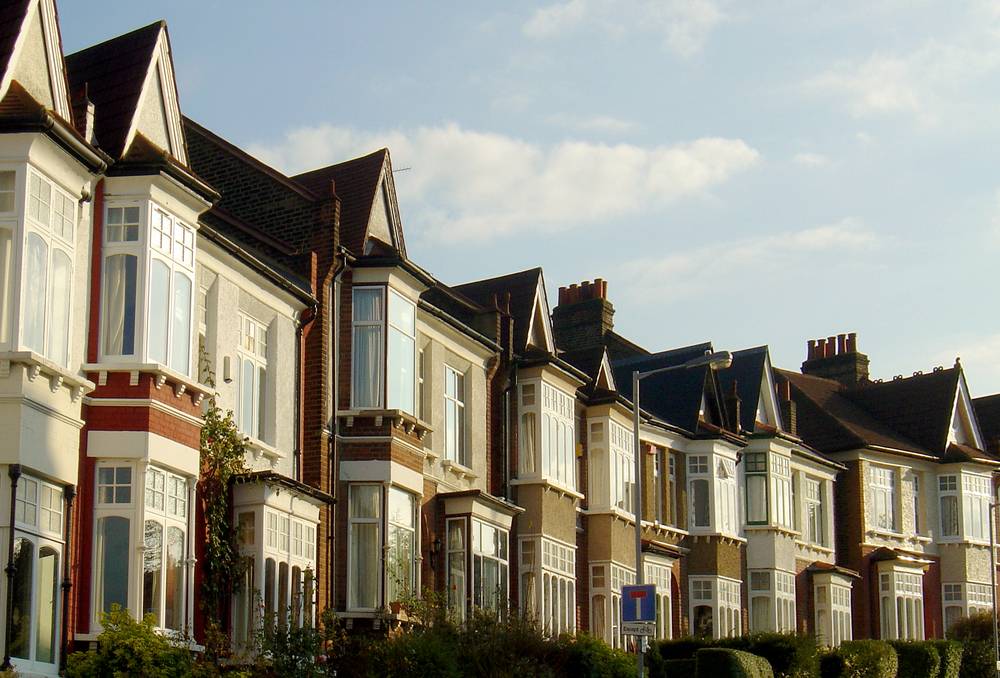
This article explores how landlords should approach and prioritise roof, damp and window repairs in rental properties to help resolve the problems logically.
As a landlord, it can be challenging to know what to prioritise when multiple repairs need attention at once. A roof that has begun to let water in, walls showing damp, and windows that stopped performing years ago all present themselves as urgent and all compete for the same budget. This article explores how landlords should prioritise roof, window and damp repairs in a sequence that resolves the problem logically.
Property maintenance priorities should follow the water
The order of works matters as much as the works themselves, because treating a symptom while its cause remains active is money spent twice. Replastering a wall that is wet because a gutter overflows will simply produce a wall that is wet again by the following winter.
The legal framework also makes the condition of the building fabric important. Section 11 of the Landlord and Tenant Act 1985 obliges landlords to keep the structure and exterior of a rented dwelling in good repair. In England, the Homes (Fitness for Human Habitation) Act 2018 requires rented homes to remain fit for human habitation throughout the tenancy, with serious damp among the matters considered when assessing fitness. Damp and mould growth is also addressed through the Housing Health and Safety Rating System. The problem is not hypothetical, with the English Housing Survey 2024 to 2025 finding damp in 10% of privately rented dwellings, compared with 4% of owner-occupied homes.
Roof repair comes first
Where water is actively entering at roof level, roof repair will usually take priority because continued ingress can worsen defects elsewhere in the building. Slipped tiles, failed flashing and blocked guttering can all allow water into the fabric, where prolonged exposure may saturate masonry, damage timber and contribute to the damp walls that a surveyor is later asked to diagnose.
Early intervention is usually cheaper and the wise choice. Current estimates put repairs to a pitched clay tile roof at around £110 to £160 per square metre, with lead flashing renewal at approximately £50 to £70 per metre and scaffolding adding around £625 a week where access demands it. These are indicative figures rather than fixed prices, and the final cost will depend on the extent of the damage, access, location and contractor. Landlords planning substantial roof works should also check Building Control requirements before work begins. Additionally, clearing gutters and downpipes before autumn is one of the cheapest items on any home maintenance schedule and can prevent water from overflowing against roofs, walls and foundations.
Damp walls need diagnosis before damp repairs
Damp should be investigated before it is treated, because the treatment a landlord buys may not address the actual cause. A chemical damp proof course cannot resolve moisture condensing on a cold surface, nor damp caused by a defective downpipe. Rising damp can also require costly specialist treatment, which makes diagnosis important before substantial work is commissioned. Penetrating damp can enter through damaged brickwork, roofing, pipes and gutters, which is precisely why an active external source should be dealt with before spending money repairing the resulting internal damage.
A survey is therefore the sensible first purchase. Current estimates put a damp survey at around £300, injection damp proofing at approximately £1,000 to £3,000, and retrofitting a physical damp proof course at around £2,500 to £7,500. Installing a new extractor fan to improve ventilation can cost about £300.
Double glazing and window replacement
Windows will often sit behind active roof ingress and damp diagnosis because failed seals and ageing frames usually degrade comfort and energy performance more gradually, even though that does not make them optional. Perished silicone, cracked putty, blown glazing units and decaying timber can allow moisture into window reveals and cause heat to escape. Ultimately, repairing a seal or replacing an individual failed unit will usually cost far less than replacing the entire window.
Conclusion
Prioritising repairs should focus on what is happening with water. Where water is entering the building, identifying the source and repairing defects in a logical sequence prevents the same damage from recurring. Stop active water ingress, diagnose damp before treating it, then plan glazing work thereafter. Landlords who sequence repairs this way can reduce the risk of paying repeatedly to repair symptoms while the underlying defect remains.
FAQs
Q. Which repair should a landlord fix first: roof, damp or windows?
A. A roof will usually take priority wherever water is actively entering the building because continuing ingress can contribute to damp, timber decay and deterioration elsewhere. Damp diagnosis should follow so that the underlying cause can be identified before treatment is commissioned. Glazing work may come later unless the window itself is unsafe or is allowing water into the property.
Q. Is a landlord legally responsible for damp in a rental property?
A. Landlords have several relevant legal duties. Section 11 of the Landlord and Tenant Act 1985 requires the structure and exterior to be kept in good repair. In England, the Homes (Fitness for Human Habitation) Act 2018 requires rented homes to remain fit for human habitation, with serious damp among the factors that can affect fitness. Damp and mould can also constitute a hazard under the Housing Health and Safety Rating System.
Q. How much does roof repair on a rental property cost?
A. According to current estimates, repairs to a pitched clay tile roof typically cost around £110 to £160 per square metre, with lead flashing renewal at approximately £50 to £70 per metre. Scaffolding may add roughly £625 a week where required, although costs vary according to access, location, and the scale of the job. Landlords should confirm what is included in any quotation before work begins.
Q. What is the most common cause of damp in English homes?
A. Severe condensation is currently the most prevalent form of damp recorded by the English Housing Survey, affecting around 3% of dwellings, compared with 2% for penetrating damp and 1% for rising damp.
Q. Should I get a damp survey before commissioning damp repairs?
A. In most cases, yes. Different types of damp require different remedies, and a treatment designed for rising damp will not fix condensation or penetrating damp. A survey costs around £300, whereas specialist damp-proofing work can cost several thousand pounds. Diagnosis can help prevent money being spent on the wrong treatment.
Q. Can a landlord attribute condensation to the tenant's lifestyle?
A. Not automatically. A landlord should investigate the underlying cause rather than assuming that condensation results from the tenant's lifestyle. Where cold surfaces, inadequate ventilation, poor insulation, leaks, or another property defect contributes to damp or mould, the landlord may need to address it.
Q. Does Awaab's Law apply to private landlords?
A. Not yet. Awaab's Law has applied to social landlords in England since October 2025, initially introducing fixed requirements around significant damp and mould hazards and emergency hazards. The government intends to extend the regime to the private rented sector following consultation on the detail and timescales. Existing repair, fitness and housing safety duties continue to apply to private landlords in the meantime.
Q. Do landlords have to install double glazing before 2030?
A. Not specifically. The government has confirmed plans for privately rented homes in England and Wales to meet an EPC C standard by 1 October 2030, including a fabric-performance requirement and a £10,000 cost cap. However, the new standard still requires implementing legislation and there is no blanket requirement to replace windows. Double glazing may contribute to fabric performance, but insulation and other improvements may deliver better results in some properties. The current legal minimum remains EPC E for properties within scope unless an exemption applies.
Q. When is a full roof replacement better value than repeated repairs?
A. Where repairs are becoming frequent or defects affect a substantial part of the roof, it can be worth comparing the cumulative cost of continued repairs with partial or full replacement. Larger projects may also trigger Building Regulations requirements depending on the extent and nature of the work, so landlords should check the position with building control before commissioning substantial renovation.
Q. How can landlords fund a programme of major repairs?
A. Options include retained rental income, remortgaging, specialist refurbishment finance, and equity release arrangements. Speak to Pauzible to learn about our equity partnership arrangement.